Co-op Launches 1,000-Screen DOOH Retail Media Network
James and I have been closely tracking the rapid commercialisation of the physical shop front over the last few years.
It is no longer enough for a grocery store to simply stock shelves; the modern brick-and-mortar asset is being completely re-engineered into a premium advertising channel.
For anyone operating in the British retail sector, the financial implications of this shift are enormous.
The biggest news in the industry right now confirms that the physical store is officially taking centre stage in brand marketing strategies.
On 14 May 2026, the Co-op officially launched its brand new national digital Out-of-Home (DOOH) advertising network. By installing more than 1,000 front-of-store digital advertising screens, the retailer has instantly established itself as the fourth-largest digital outdoor advertising operator in the United Kingdom.
Tracking The Shift From A Theoretical 'Sleeping Giant' To Massive Infrastructure Investment
This massive rollout did not happen in a vacuum. About a year ago, Dean Harris, the Head of Co-op Media Network, gave an insightful presentation highlighting that physical in-store advertising was the "sleeping giant" of the media market.
At the time, the industry was heavily obsessed with online data clean rooms and smartphone applications. Harris challenged brands to look at the physical brick structures right in front of them, pointing out that the vast majority of grocery transactions still happen inside a physical shop.
Over the past twelve months, that theoretical argument has turned into hard corporate investment.
Retailers are realising that while consumers fragment their attention across hundreds of digital streaming apps and social platforms at home, the high street supermarket remains a place of intense, concentrated visual attention.
The strategy behind Co-op’s new network focuses heavily on everyday neighbourhood journeys, which account for roughly 88 per cent of daily trips in the UK.
Traditional outdoor advertising usually targets major commuter roads and city centres. By putting high-tech digital screens on the front of local convenience stores, brands can now reach consumers multiple times a week right where they live and shop.
Richard Smith, the Director of Marketing & Media Operations at Co-op, explained the commercial logic behind this new physical infrastructure push:
"Over the past two years, Co-op Media Network has successfully used a convenience shopping environment to differentiate itself from the big box retail media logic and, in doing so, created a neighbourhood based DOOH estate that champions frequency and presence." — Retail Gazette Full Article
This latest expansion brings the total number of digital touchpoints across the grocer’s estate to a staggering 15,871 digital screens distributed across 2,300 stores.
It represents a massive logistical and technological achievement that changes how consumer packaged goods brands must plan their marketing budgets.
Why High-Definition Shop Fronts Demand Better Standards On The Retail Floor
When a retail business invests millions of pounds into pristine, high-definition digital media networks, it naturally alters consumer expectations.
A shopper who is guided into a store by a sharp, brightly lit digital advertisement expects that same premium experience when they walk through the front doors.
If the physical environment inside does not match the sophisticated presentation outside, the commercial illusion is instantly broken.
Historically, the retail industry has treated physical in-store displays as cheap, short-term necessities. Brands regularly spend huge sums on external media campaigns, only to dump their actual products onto flimsy, sagging cardboard promotional stands or messy, unmanaged shelves inside the shop.
When a customer sees a premium advertisement on a state-of-the-art DOOH screen, a subconscious expectation of quality is established. If they walk inside and find the product pushed out of alignment on a battered, water-damaged temporary stand, that brand equity vanishes.
For retail media to achieve its full financial potential, the physical merchandising infrastructure must match the quality of the digital screen network.
Supporting The Digital Boom With Robust Manufacturing
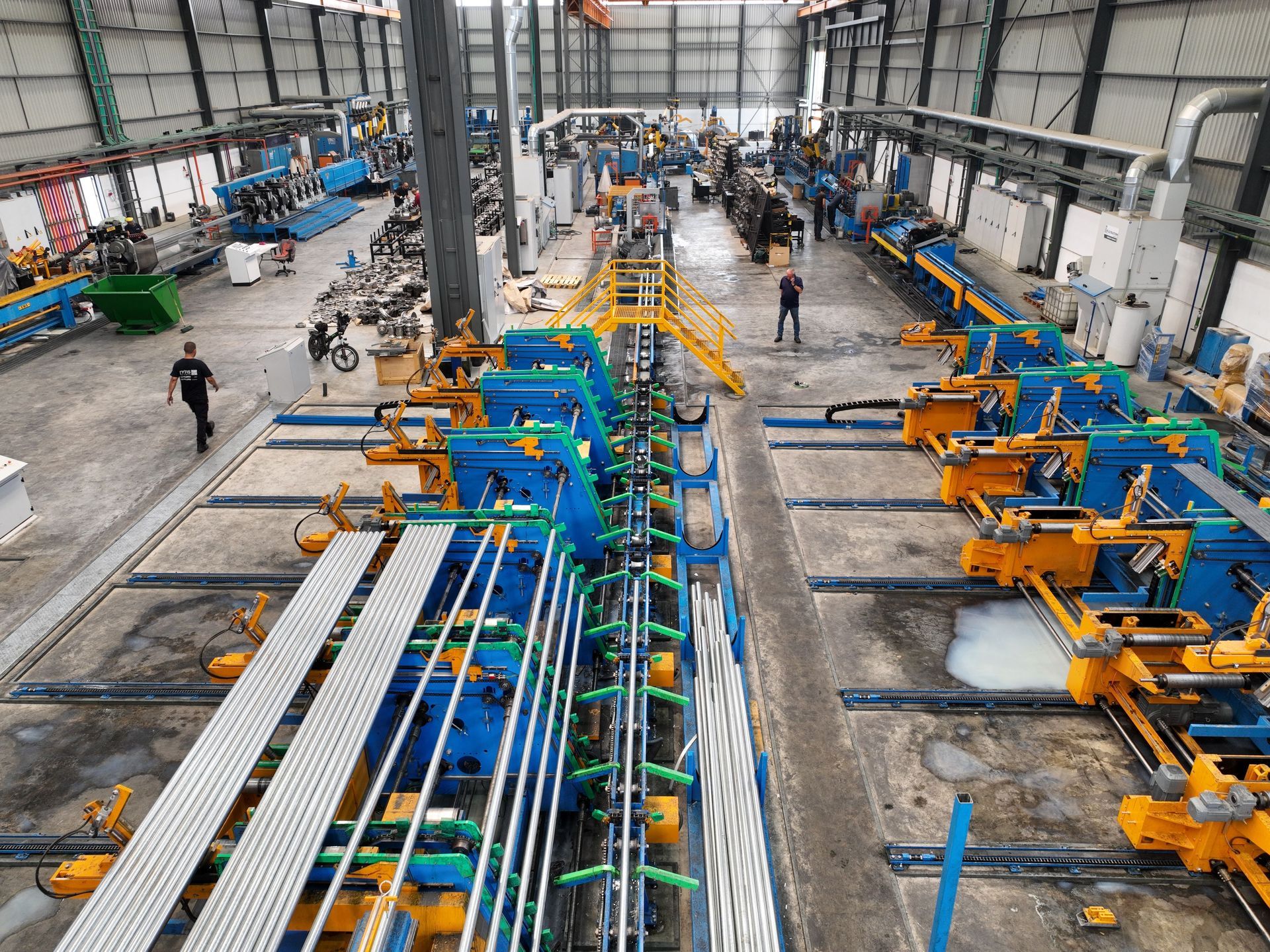
At Vertical Vendors, we look at this digital media boom from a structural engineering perspective. While we are a proud British manufacturer that fabricates steel fixtures inside our ISO 9001 certified facilities, we understand that our equipment is just one part of a much larger retail ecosystem. As these digital networks grow, the demand for clean, precise, and highly durable store fixtures increases.
To maintain visual standards next to high-end digital screens, brands are increasingly moving away from single-use temporary displays in favour of permanent steel merchandising options. Our engineering team focuses on creating clean, powder-coated steel promotional vendors that provide a crisp, premium anchor for products.
Furthermore, to ensure that the visual presentation remains sharp without requiring constant manual attention from busy store staff, we utilise a patented spring-loaded system to automatically raise stock. When a customer takes an item, the next one moves up immediately, preserving line of sight access.
As the high street continues to evolve into a highly sophisticated media channel, the physical touchpoints must keep pace. High-definition digital advertising campaigns require a clean, robust, and professional physical destination at the final point of purchase.
Get In Touch Today
If you want to discuss how to upgrade your physical shop floor infrastructure to better align with modern retail media standards, contact our British manufacturing team at
https://www.verticalvendors.com/contact-us today.
More from the blog