by Vertical Vendors
•
10 August 2026
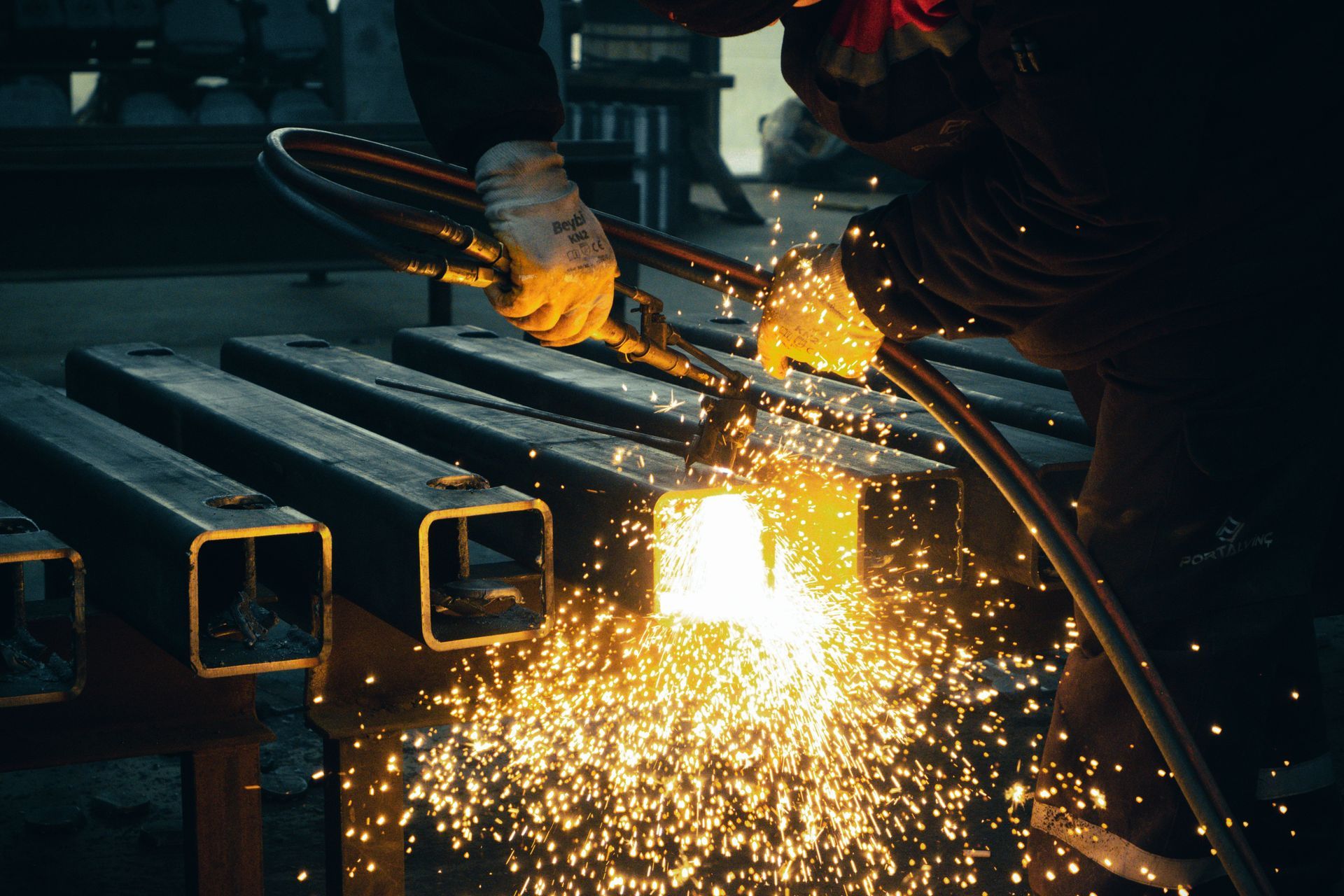
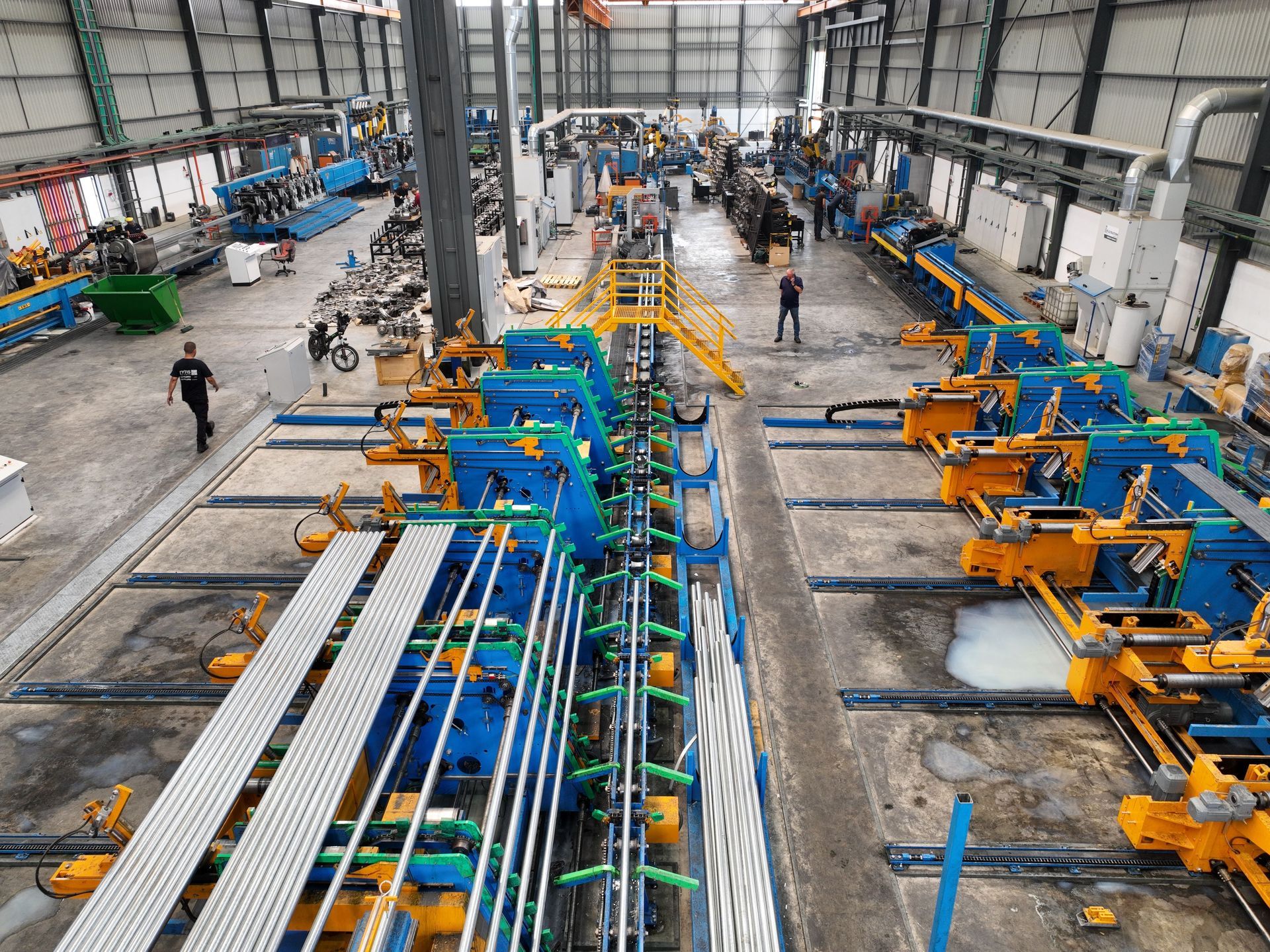
KEY TAKEAWAYS The Investment: We installed a state-of-the-art on-site nitrogen generation system to directly feed our high-precision laser cutters on the factory floor. Drastic Carbon Reduction: Replaced two weekly 40-foot articulated lorries delivering gas cylinders, eliminating over 100 heavy vehicle deliveries on British roads every single year. Flawless Cut Edge: Producing an oxidation-free laser edge that guarantees maximum powder coating adhesion, rust resistance, and structural longevity for every Vertical Vendors unit . Authentic Sustainability: Real, engineering-led environmental action that cuts supply-chain emissions rather than relying on paper carbon offsets. UK Manufacturing Excellence: Securing total quality control, operational self-reliance, and world-class precision in sheet metal fabrication . The Lightbulb Moment on the Factory Floor If you spent any time on our factory floor a few years back, you would have witnessed a familiar weekly routine. A massive 40-foot articulated lorry would carefully manoeuvre into our loading bay, its engine idling, delivering heavy steel cylinders of compressed nitrogen gas. A few days later, another one would arrive to swap empty tanks for full ones. As co-founders running both Metalfacture and Vertical Vendors, we are constantly scrutinising our operations. We pride ourselves on pushing the boundaries of modern British engineering, constantly asking how we can refine our processes, elevate laser cutting quality , and build more resilient equipment. One afternoon, watching one of those heavy diesel lorries pull out of our gates, it hit us. Atmospheric air is composed of roughly 78% nitrogen. Why were we paying third-party suppliers to compress gas miles away, load it onto heavy diesel vehicles, and haul it across UK highways to our factory, when the exact raw material we needed was floating all around us? That was the turning point. We decided to stop buying bottled gas and start making our own air. While this investment was made some time ago, it remains one of the single best operational decisions we have ever executed, and it is high time we shared why it matters to our clients, our machines, and sustainable UK manufacturing . Cutting Lorries, Not Quality Sustainability is a term thrown around far too loosely. Corporate websites are littered with pledges to reach net-zero by buying distant carbon offset credits or planting trees overseas. At Metalfacture, we take a far more practical, down-to-earth approach: if you want to lower your carbon footprint, eliminate real waste from your actual supply chain. Before installing our in-house nitrogen generation plant, our laser cutting machinery relied entirely on delivered bulk gas. Operating high-powered fibre lasers requires a constant, ultra-pure stream of assist gas. Meeting that demand meant receiving two 40-foot articulated lorry deliveries every week. These were not lightweight delivery vans. These were multi-tonne, diesel-powered articulated lorries hauling dense, heavy steel pressure vessels across the country. The embedded carbon footprint of transporting that gas was immense. By investing heavily in our own on-site gas separation technology, we effectively cancelled those 104 lorry journeys a year overnight. Our system works by pulling ambient atmospheric air into high-efficiency compressors, filtering out oxygen, moisture, and trace impurities through specialised molecular sieves, and delivering 99.999% pure nitrogen directly through dedicated pipework straight to our laser cutting beds. No diesel burn. No transport congestion. No road traffic noise. Just clean, on-demand gas produced metres away from where it is consumed. That is true, practical sustainability in sheet metal fabrication . Why Nitrogen Matters for Lasers While the environmental wins made the financial investment easy to justify, the engineering benefits were what truly excited us as fabricators. To understand why this matters, you have to understand the physics of laser cutting assist gases. When a high-powered fibre laser melts steel, an assist gas is blown through the cutting nozzle at high pressure to clear molten metal out of the kerf (the cut line). Historically, many fabricators used compressed oxygen for this process. The Pitfalls of Oxygen Cutting Oxygen acts as an active fuel source during the cut. It burns hot and fast, but it causes a chemical reaction called oxidation along the cut surface. This leaves a thin layer of iron oxide (scale) on the edge of the steel part. If you attempt to paint or powder coat a component with an oxidised edge, the paint attaches to the oxide scale rather than the raw steel beneath. Over time, moisture creeps in, the scale flakes off, and the paint chips away, exposing bare metal to corrosion. For premium equipment like our Vertical Vendors smart automated vending machines, which are deployed in high-footfall, demanding public environments, that sort of edge degradation is simply unacceptable. The Power of the Oxidation-Free Laser Edge Nitrogen, on the other hand, is an inert gas. It does not react chemically with the molten metal. Instead, it acts as a cooling shield while blowing the molten steel cleanly through the bottom of the cut. The result is a clean, bright, burr-free, oxidation-free laser edge straight off the machine bed. Delivered Nitrogen Canisters vs. On-Site Nitrogen Generation 1. Logistical Footprint Old Way: 104+ 40-foot articulated lorry deliveries required every single year. Our Way: Zero road deliveries required. 2. Carbon Footprint & Transport Overhead Old Way: High diesel consumption, transport congestion, and heavy Scope 3 emissions. Our Way: Drastically reduced carbon footprint by producing pure gas on-site. 3. Laser Cut Edge Finish Old Way: Edge quality prone to supply variations, gas grade inconsistencies, and delivery delays. Our Way: Consistently pure, mirror-like, oxidation-free laser edge. 4. Production Reliability & Lead Times Old Way: Production at risk from motorway traffic jams, driver shortages, or industrial gas supply bottlenecks. Our Way: 100% on-demand gas availability 24 hours a day, 7 days a week. 5. Powder Coat Adhesion & Corrosion Protection Old Way: Risk of micro-scale iron oxide causing premature paint flaking over time. Our Way: Maximum paint bonding, zero scale, and long-term rust protection. 6. Cost Control & Price Stability Old Way: Constant exposure to volatile industrial gas prices, tank rental fees, and fuel surcharges. Our Way: Predictable, low operational cost per cubic metre. Proudly Made in Britain, Powered by Innovation British manufacturing has never survived by racing to the bottom on price or cutting corners on materials. It thrives when we choose to out-think, out-engineer, and out-perform the competition. By bringing nitrogen generation completely in-house at Metalfacture, we took total ownership of one of the most critical variables in the laser cutting process. We no longer rely on external delivery schedules, gas shortages, or rising transport surcharges. If our lasers need to run overnight to meet an urgent production deadline for a national roll-out of Vertical Vendors units, our gas supply is right there, running silently in the background. This level of operational self-reliance allows us to maintain strict tolerances, guarantee razor-sharp lead times, and deliver exceptional value to our B2B fabrication clients across the United Kingdom. When you look at a Vertical Vendors housing, you are not just looking at assembled sheet metal. You are looking at precision engineering that has been considered from the molecular level up—from the atmospheric air pulled into our compressors to the smooth, corrosion-resistant powder coat finish guarding its outer shell. Sustainable Quality Without Compromise We didn't invest in on-site nitrogen generation to put a flashy badge on our website or win a corporate green-washing award. We did it because it was the sensible, practical, engineering-led thing to do. It made our manufacturing cleaner by taking heavy lorries off British roads. It made our lasers faster and more reliable. And most importantly, it elevated the quality of every sheet metal component that leaves our facility. Whether you are looking for custom contract sheet metal fabrication through Metalfacture or investing in premium British-built automated retail systems from Vertical Vendors , you can rest assured that your product was crafted with precision, pride, and clean British air. Ready to Elevate Your Fabrication Quality? Want to see our laser cutting capabilities in action or discuss your next project with us? Get in Touch With Us Today Frequently Asked Questions Why is nitrogen preferred over oxygen for sheet metal laser cutting? Nitrogen is an inert gas that prevents oxidation during the laser cutting process. Unlike oxygen, which creates an exothermic reaction and leaves a micro-scale rust layer on the cut edge, nitrogen produces a bright, clean, mirror-like surface. This ensures optimal paint and powder coating adhesion without needing manual deburring or edge grinding. How does on-site nitrogen generation reduce the carbon footprint of manufacturing? On-site generation extracts nitrogen directly from ambient air using electrical energy and filtration sieves. This completely eliminates the need for heavy diesel lorries to transport high-pressure gas cylinders across the country, removing tens of thousands of transport miles and significant fuel emissions from the supply chain every year. Does nitrogen laser cutting improve the finish of powder-coated steel? Yes, significantly. Because nitrogen shielding prevents an oxide scale layer from forming on the cut edge, powder coating can bond directly to the raw steel substrate. This prevents paint flaking, edge chipping, and premature corrosion along cut edges, dramatically increasing the product's lifespan in harsh or high-use environments.