Be Ready, Be Stocked: The Checklist Hitting Shop Floors
Be Ready, Be Stocked: The Government Checklist Now Hitting Shop Floors
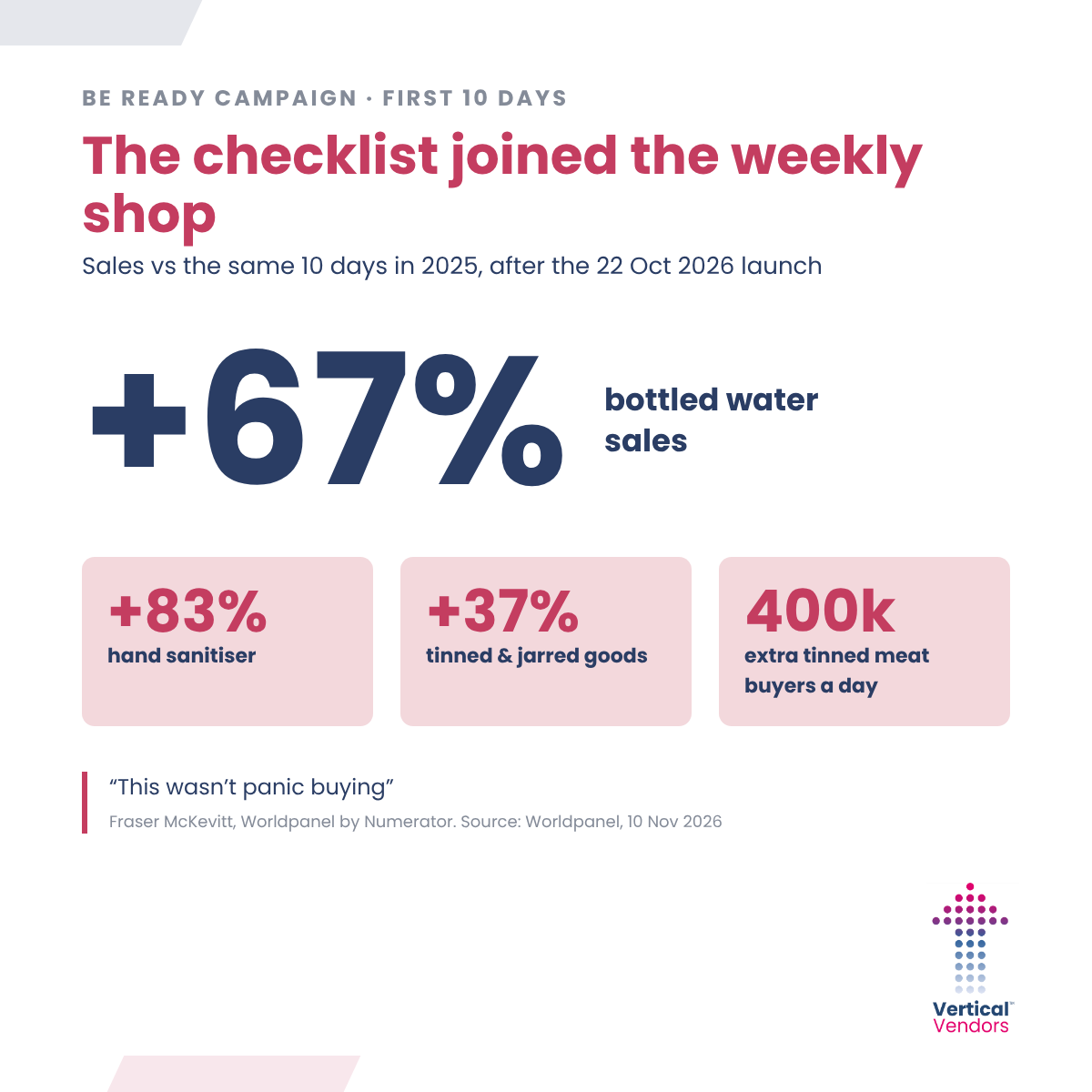
In short: the Government's Be Ready campaign, launched on 22 October 2026, asks UK households to keep enough supplies for up to three days of disruption. In the 10 days that followed, bottled water sales rose 67% and tinned and jarred goods rose 37%, according to Worldpanel by Numerator. This wasn't panic buying. It was a checklist quietly joining the weekly shop, and that's a merchandising job, not a one-week promotion.
What is the Be Ready campaign?
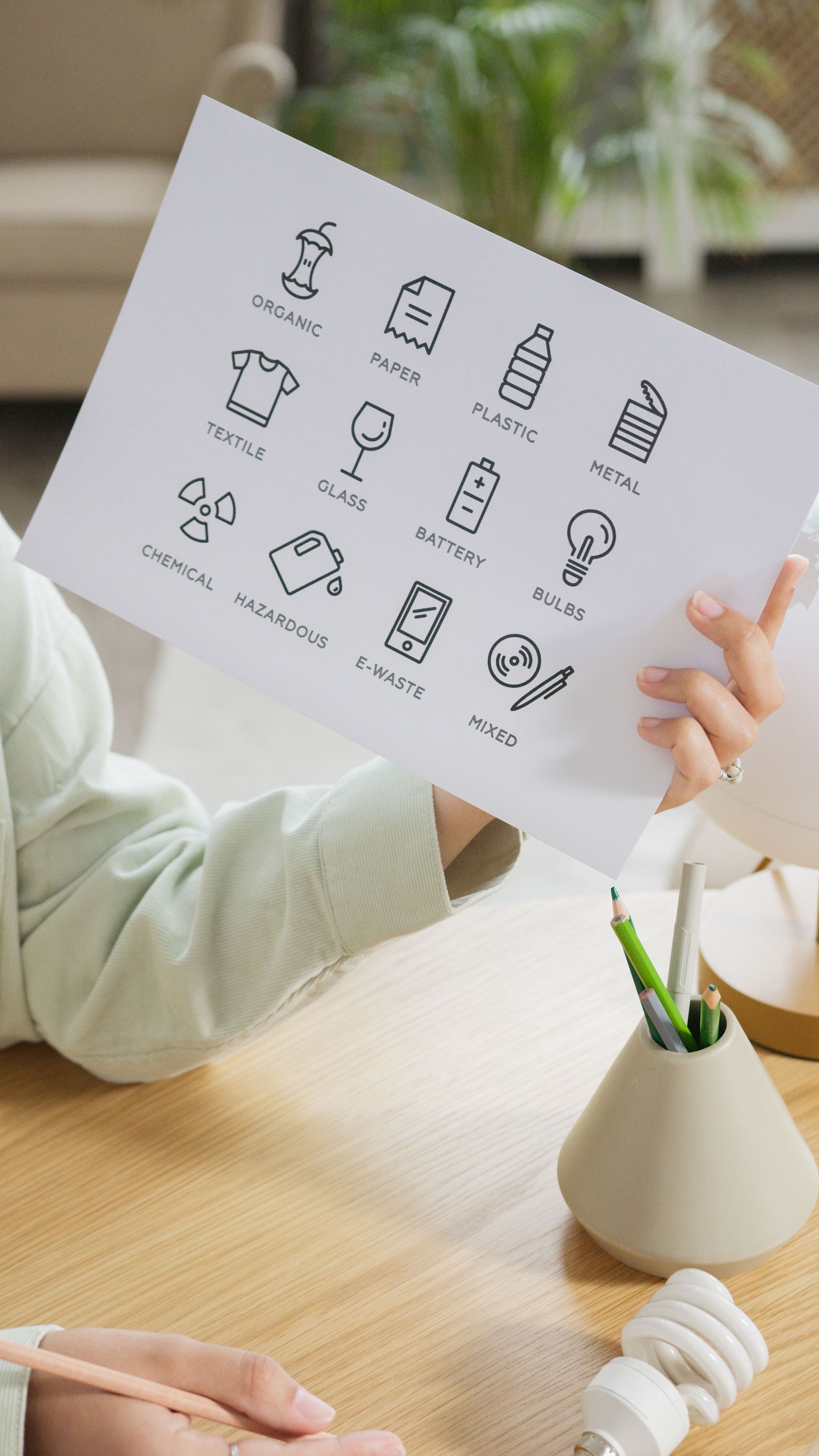
Be Ready is a Cabinet Office campaign asking households to prepare for up to three days without electricity, water, phone networks or internet. The checklist covers non-perishable food, bottled water, torches, spare batteries, first aid supplies, portable phone chargers and hygiene products like hand sanitiser and wet wipes.
It launched on 22 October 2026 as the
first stage of a three-year public awareness programme, with more than 500 organisations signed up to share the messaging. The guidance on water is specific: about three litres per person per day, plus extra for cooking and washing.
Crucially, households are told to build supplies gradually, based on their own needs and budgets. That one line matters more to retailers than any of the headline numbers.
How much did Be Ready change what people bought?
Quite a lot, and quickly.
Worldpanel by Numerator's latest figures, covering the 10 days after launch against the same period last year, show:
| Category | Change v's same 10 days in 2025 |
|---|---|
| Hand sanitiser | +83% |
| Bottled Water | +67% |
| Tinned and jarred goods | +37% |
| Daily tinned meat buyers | +43% (about 400,000 extra shoppers a day)ave |
The interesting detail is in that last row. The typical amount of tinned meat each shopper bought stayed at around 500g. More people were buying, but nobody was buying more.
Why this isn't panic buying (and why that matters)
Fraser McKevitt, head of retail and consumer insight at Worldpanel, put it plainly: "Shoppers clearly took notice of the Be Ready campaign, but this wasn't panic buying, with less than a third of households buying bottled water in October."
He added: "Growth came from more people adding the recommended items on the Government's checklist to their weekly shop, not from shoppers piling their trolleys high."
For anyone planning a shop floor, that's the whole story. Panic buying is a spike: shelves empty, then demand falls off a cliff. A checklist added to the weekly shop is a habit. It's a few extra tins, a multipack of water and some batteries, every week, across hundreds of thousands of extra baskets.
Is this a one-off spike or a long-term shift?
The honest answer is that 10 days of data can't tell us yet, and the early coverage has been careful to say so. But the shape of the campaign points one way.
Be Ready is a three-year programme, not a single advert. The advice is to build supplies gradually. Fewer than a third of households had bought bottled water in October, which leaves a lot of households who haven't started yet. And it's landing while grocery inflation edged up to 2.6% in October, so shoppers spreading the cost over several weeks makes sense for them too.
If that holds, the demand for these lines looks less like a December spike and more like a steady new layer on top of normal trading.
If that holds, the demand for these lines looks less like a December spike and more like a steady new layer on top of normal trading.
What does "steady and stackable" mean for the shop floor?
Look at what's on the checklist: tins, jars, water multipacks, battery packs, sanitiser. Almost all of it comes in solid, consistent, stackable packaging. That's exactly the kind of product that behaves well on a spring-loaded display, and exactly the kind that looks a mess on a half-collapsed cardboard bay three weeks in.
There are three practical problems retailers will recognise:
- The temporary bay problem. A cardboard "be prepared" end built in week one is designed for a spike. If the demand is a slow build over months, that bay is sagging, half-empty and off-planogram long before the demand fades.
- The scatter problem. Tins sit in one aisle, water in another, batteries at the till. A shopper working through a checklist wants them together. A single permanent home makes the checklist easy to complete in one stop.
- The out-of-stock problem. When 400,000 extra people a day are reaching for the same lines, gaps appear fast. Self-facing units keep the front product at the front, so the display looks full until it's genuinely empty, and a quick glance tells staff when to refill.
Where Vertical Vendors displays fit
Our 24-Pack Classic is a spring-loaded unit on a 420mm x 290mm footprint that holds the equivalent of around four metres of shelving. It takes multipacks or individual units in a tray, including non-drink goods that fit its dimensions and weight limit, and its graphic panels can be swapped to change the message without changing the unit.
For bigger stores that want a proper destination, the MegaVendor brings four 24-pack towers together on a wheeled base with its own header. That's room for a "ready for anything" bay that can move to the front of store when the campaign's next phase lands and back again afterwards.
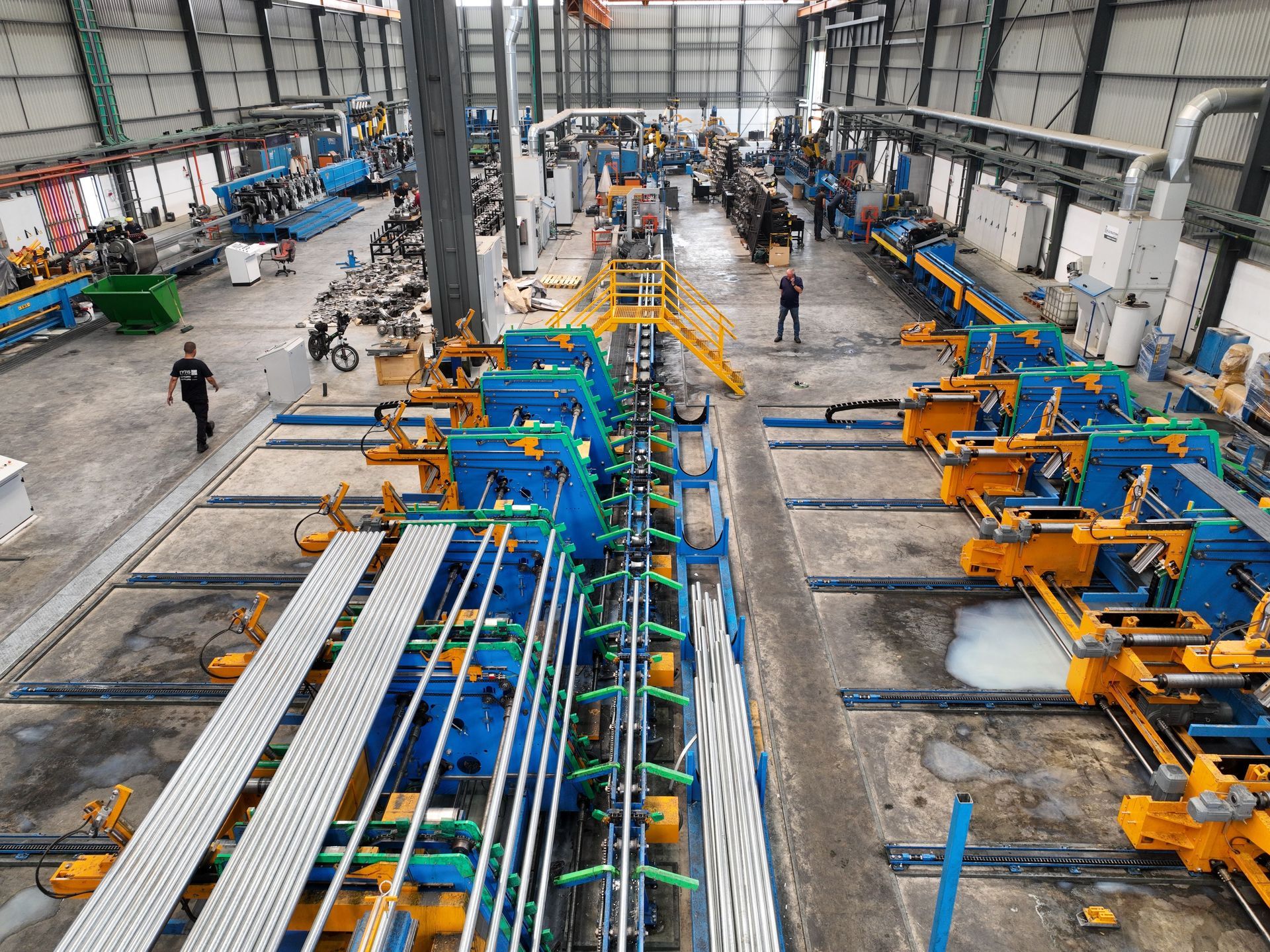
Every unit is built from sheet metal in our own UK factory, which means the same unit can be rebranded for the next seasonal push rather than ending up in the bin. We've written before about how far spring-loaded displays now reach beyond the drinks aisle; tins, batteries and sanitiser are a natural next step.
Frequently asked questions
What does the Be Ready checklist recommend? Enough supplies for up to three days of disruption: non-perishable food, around three litres of water per person per day, torches, spare batteries, first aid supplies, phone chargers and hygiene products.
Did Be Ready cause panic buying? No. Worldpanel found sales rose because more people added checklist items to their weekly shop, not because individuals bought more. Fewer than a third of households bought bottled water in October.
How long will the campaign run? The October 2026 launch is the first stage of a three-year public awareness programme.
Which products suit spring-loaded displays? Products in solid, consistent, stackable packaging: cans, tins, jars, multipacks and boxed goods, within the unit's dimensions and weight limit.
Get a Quote
If your brand or store is seeing checklist lines move,
talk to us about a permanent display that stays full and tidy for the long haul.
More from the blog