Autumn Budget 2026: Make Every Shop-Floor Hour Count
In short: the 28 October 2026 Budget lifts the National Living Wage to £13.21 an hour from April 2027 and, by the British Retail Consortium's count, adds £2 billion to retail employment costs.
Small shops win on business rates, but every retailer now pays more for every hour a colleague spends on the shop floor.
The hours spent facing up shelves are the easiest ones to win back.
What did the Autumn Budget 2026 change for retailers?
The Chancellor's Budget on 28 October 2026 raised the National Living Wage by 3.9%, from £12.71 to £13.21 an hour, from April 2027, with the 18 to 20 rate rising to £11.27. Employer National Insurance stayed where it was. On rates, retail, hospitality and leisure properties in England get a two-year real-terms freeze for 2027-28 and 2028-29 (Retail Insight Network).
That "real-terms" wording matters. Bills are capped at inflation rather than frozen in cash, so the BRC expects rates to rise around 3.5% next April, adding roughly £250 million to retailers' bills (BRC).
Why are retailers calling it "no breathing space"?
Because the cost line keeps climbing. The BRC says the Budget adds £2 billion to retail employment costs, on top of £6.5 billion over the previous two years, while the sector already faces £41 billion in business taxes this year and a £440 million rise in electricity costs.
Helen Dickinson, chief executive of the BRC, put it plainly: "Today's Budget will see retail costs keep climbing as the Chancellor failed to provide the breathing space he promised."
The backdrop isn't easy either. The BRC reports more than 120,000 retail jobs lost in two years and around one in seven shops standing empty. Its October shop price monitor had inflation at 2.1%, a two-year high, with ambient food at 3.2% (Retail Gazette).
Is there any good news for small shops?
Yes, and it's a big one for independents and convenience stores. From 1 April 2027, the Small Business Rates Relief threshold in England rises from £12,000 to £18,000 rateable value for full relief, with tapered relief up to £21,000. The government estimates around 70,000 more small businesses will pay no rates at all (Deloitte).
Andrew Goodacre, chief executive of the British Independent Retailers Association, called it "a real win for independent retailers".
So the picture splits two ways. Larger retailers face a heavier wage bill and higher rates. Smaller shops get relief on rates but still face the same 3.9% rise in what an hour of staff time costs. Either way, the question for April is the same: what are your people actually spending their hours on?
Where does shop-floor time actually go?
A lot of it goes on jobs that keep shelves looking right rather than jobs that sell. Facing up, pulling product forward, tidying gaps after a busy lunchtime, refilling a fixture that only holds a few facings. None of it is wasted effort, but very little of it needs a person to do it.
Here's an illustration, not measured data. If one colleague spends 20 minutes a day facing up one category, that's about £4.40 a day at the new £13.21 rate, or around £1,600 a year for a single store. Across a 50-store estate it's over £80,000 a year, for one category, before you count the sales lost while the shelf looks half empty.
We made the same point last winter in The Silent Staff Member. The Budget has simply put a higher price on every one of those minutes.
How do spring-loaded displays save staff time?
A spring-loaded display pushes the next pack forward every time a shopper takes one, so the front facing stays full without anyone touching it. The fixture faces itself up all day, which takes one of the most repetitive tasks off the rota entirely.
That's the whole idea behind our patented spring-loaded units. A few things make them work hard on staff time:
- Self-facing: product moves forward automatically, so the shelf looks full between restocks.
- Capacity in a small footprint: a tall unit holds far more stock than the shelf space it takes, so it gets refilled less often.
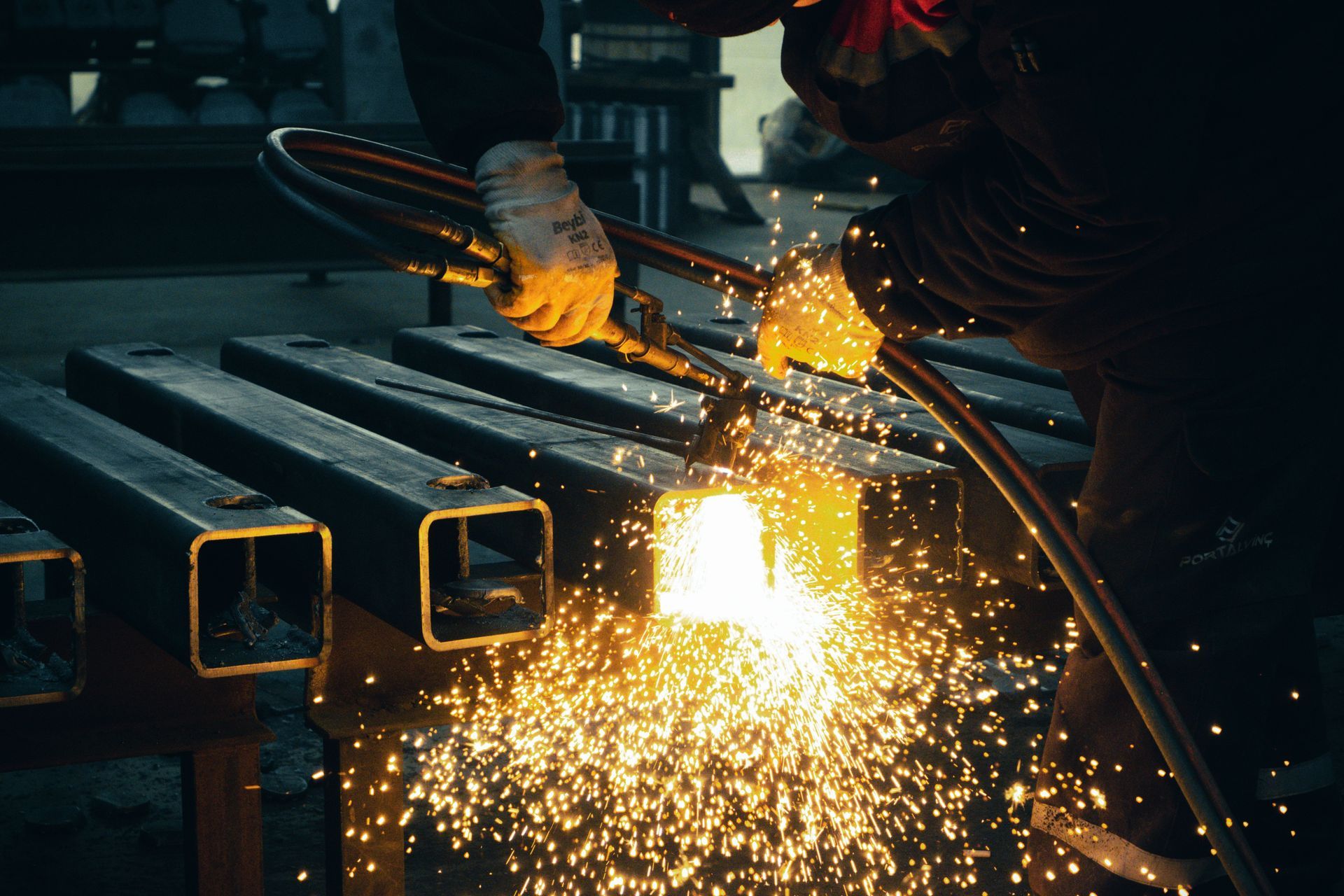
- Built to last: robust UK-made sheet metal, designed to stay in store for years rather than being replaced every promotion.
Why does steel beat cardboard when labour costs rise?
Cardboard displays look cheap up front, but they cost staff time at both ends.
Someone builds them, someone tidies them as they sag, and someone takes them down and replaces them when the promotion ends. A permanent steel unit goes in once and then keeps working.
For convenience stores getting rates relief from April, this is a good place to put the saving. A fixture that keeps working is a better long-term buy than a cost that comes back every quarter. When SPAR put our units into its forecourt stores, Madri sales rose 300% and it became the retailer's top-selling alcohol brand after a two-month trial (SPAR case study).
What should retailers do before April 2027?
Use the next five months to find the hours. Most of the Budget measures land in April 2027, which gives retailers and brands time to plan rather than react.
- Audit the facing-up time in your highest-volume categories. Where are colleagues tidying the same fixture several times a day?
- Match fixtures to packaging. Spring-loaded units suit stackable, consistent packs: cans, bottles, multipacks, boxed goods.
- Brands, talk to your retailers. A display that saves store time is an easier yes for a buyer looking at a higher wage bill.
FAQ
When does the new National Living Wage start? The National Living Wage rises to £13.21 an hour for workers aged 21 and over from April 2027, an increase of 3.9%.
Did the Autumn Budget 2026 freeze business rates? It froze them in real terms for retail, hospitality and leisure properties in England for 2027-28 and 2028-29. Bills are capped at inflation, so the BRC expects them to rise about 3.5% next April.
Which shops get the new small business rates relief? Qualifying retail, hospitality and leisure properties in England with a rateable value up to £18,000 get full relief from 1 April 2027, tapering up to £21,000.
Get a Quote
If April's wage rise has you looking at where your store hours go,
talk to us about spring-loaded displays built in Britain and we'll show you what one fixture can take off the rota..
More from the blog